
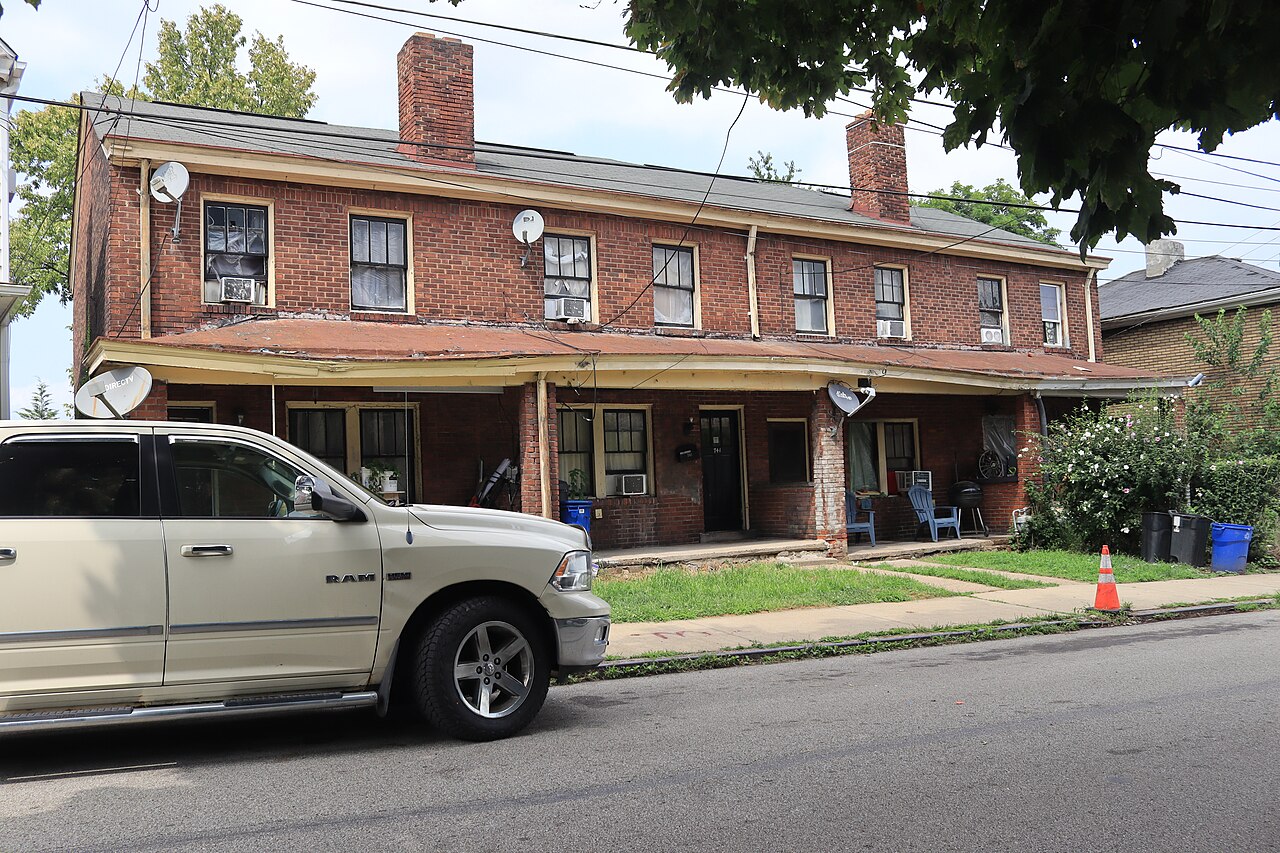
If you’ve spent any time doom-scrolling real estate headlines this year, you’ve probably noticed the story keeps changing. Rates were easing, then they weren’t. Prices were up, then flat, then “it depends who you ask.” If you’re renting in Western PA and trying to figure out whether this is finally your year to buy, I don’t blame you for feeling stuck between two moving targets. So let’s set the headlines aside for a minute and just look at the actual numbers.
Where Things Stand Right Now
A few facts worth anchoring to, as of this month:
- The average 30-year fixed mortgage rate is sitting right around 7%, after spending most of the first half of 2026 in the mid-6% range. That climb has caught a lot of buyers off guard.
- The median home value in the Pittsburgh metro is around $240,000 — and it’s actually down slightly (about 1%) over the past year, which is not the story you hear about most of the country.
- Average rent across the city runs somewhere between roughly $1,500 and $1,900 a month depending on the neighborhood and whether you’re in an older house-turned-apartment or a newer building, and rents have kept creeping up — somewhere in the 3 to 5% range year over year.
Put plainly: borrowing money costs more than it did a year ago, but homes here haven’t gotten meaningfully more expensive to make up for it — and renting isn’t standing still either. That combination is exactly why this decision is genuinely closer than the headlines make it sound.
The Rent vs. Buy Math, Without the Sales Pitch
I’m not going to tell you buying always wins, because it doesn’t. Here’s what actually goes into the comparison:
- Your real monthly cost of owning isn’t just principal and interest. It’s principal, interest, property taxes, homeowners insurance, and — if you put down less than 20% — mortgage insurance. In Western PA, property taxes vary a lot by municipality and school district, so two houses at the same price can have very different monthly payments.
- Equity is the part renting doesn’t give you. Every mortgage payment (after the first few years) starts shifting more toward paying down what you owe, not just interest. That’s money you get back later. Rent, by contrast, is gone the moment you pay it.
- Your down payment has an opportunity cost. That money could otherwise sit in the market or a savings account earning something. Buying only “wins” financially once the equity you build, plus appreciation, outpaces what that money could have earned elsewhere — and once you’ve covered the closing costs of buying (and eventually selling).
- Maintenance is real and it’s yours now. Budget roughly 1% of the home’s value per year for upkeep and repairs. A new roof or furnace doesn’t call your landlord anymore — it calls you.
- Time horizon changes everything. Because of closing costs on both ends, most buyers need to stay somewhere around 3 to 5 years before owning clearly beats renting on pure dollars. Shorter than that, and renting often wins even if the monthly payment looks similar.
Why Western PA’s Math Looks Different Than the National Story
Most of the “renting is winning” headlines are written about markets where the median home costs $500,000 or more. That’s not our market. A few things that make Western PA its own case:
- Home prices here are well below the national median, so the gap between a mortgage payment and rent is often smaller than what you’d see in a headline written about Austin or Seattle.
- Our housing stock skews older, which means a home inspection isn’t a formality here — it’s where you find out what you’re actually taking on. (I’ve written separately about the inspection red flags worth knowing before you write an offer.)
- Property taxes swing hard by municipality and school district — sometimes by hundreds of dollars a month for houses just a few miles apart. That’s often a bigger factor in your real monthly cost than the interest rate is.
- Rents and prices both vary enormously by neighborhood. What’s true in Shadyside isn’t true in Greenfield, and what’s true there isn’t true in Mount Washington. “The market” here is really a few dozen smaller markets stitched together.
When Renting Still Makes the Most Sense
- You’re not confident you’ll stay in the area (or in that specific home) for at least 3 years.
- You don’t yet have both a down payment and a comfortable cushion left over afterward — buying shouldn’t empty the tank.
- Your job, relationship, or life situation is genuinely in flux, and flexibility is worth more to you right now than building equity.
- You’d be stretching hard every month to make a mortgage payment work. A tight monthly budget with no room for a surprise repair is a stressful way to own a home.
When Buying Starts to Tip the Scale
- You can picture staying put for 5+ years, even if plans could still shift.
- You’ve got the down payment plus 3-6 months of expenses in reserve after closing — not just enough to close, but enough to breathe afterward.
- You’ve run the real numbers — taxes and insurance included, not just the loan estimate — and it’s a payment you could handle even in a leaner month.
- Rent in the neighborhood you’d actually want to live in keeps climbing faster than your patience for renting there.
A Few Questions Worth Asking Yourself
- If my rent went up another 5% next year, would that bother me more than a mortgage payment would?
- Do I know which municipality and school district I’d be buying into, and have I actually looked up their tax rates?
- Am I picturing this as a 3-year stop or a 7-year home?
- Have I saved for the down payment and for the surprises that show up in month four?
Frequently Asked Questions
Is it definitely cheaper to buy than rent right now?
It depends almost entirely on how long you’ll stay and which neighborhood you’re comparing. In a lot of Western PA neighborhoods, buying still comes out ahead over a 5+ year horizon even with rates near 7%. Over a 2-year horizon, renting usually wins almost anywhere. There isn’t one universal answer — there’s an answer for your specific situation, and it’s worth actually running.
Should I wait for mortgage rates to drop before buying?
Maybe — but keep in mind you can refinance a rate later; you can’t refinance the price you paid if home values move up while you wait. The saying in the industry is “marry the house, date the rate.” If a home and payment work for you today, a future rate drop is a bonus, not a requirement.
How much do I actually need saved before I buy?
More than just the down payment. Plan for the down payment, closing costs (typically a few percent of the purchase price), and a reserve left over afterward for moving costs and the inevitable first-month surprises. If a low or no-down-payment loan program fits your situation, that changes the math — but the reserve after closing still matters.
Does it make sense to buy a duplex or small multi-unit instead of a single-family home to help offset the mortgage?
For the right buyer, yes — renting out one unit while living in the other (sometimes called house hacking) can meaningfully lower your real monthly cost, and Western PA has more of this housing stock available than a lot of other regions. It’s not the right fit for everyone, but it’s worth knowing it’s an option here.
If you want to actually run these numbers for your specific situation instead of guessing from a blog post, that’s exactly the kind of conversation I like having over coffee, not over a sales pitch. No pressure, no obligation — just reach out whenever you’re ready to talk it through.
Leave a Reply