
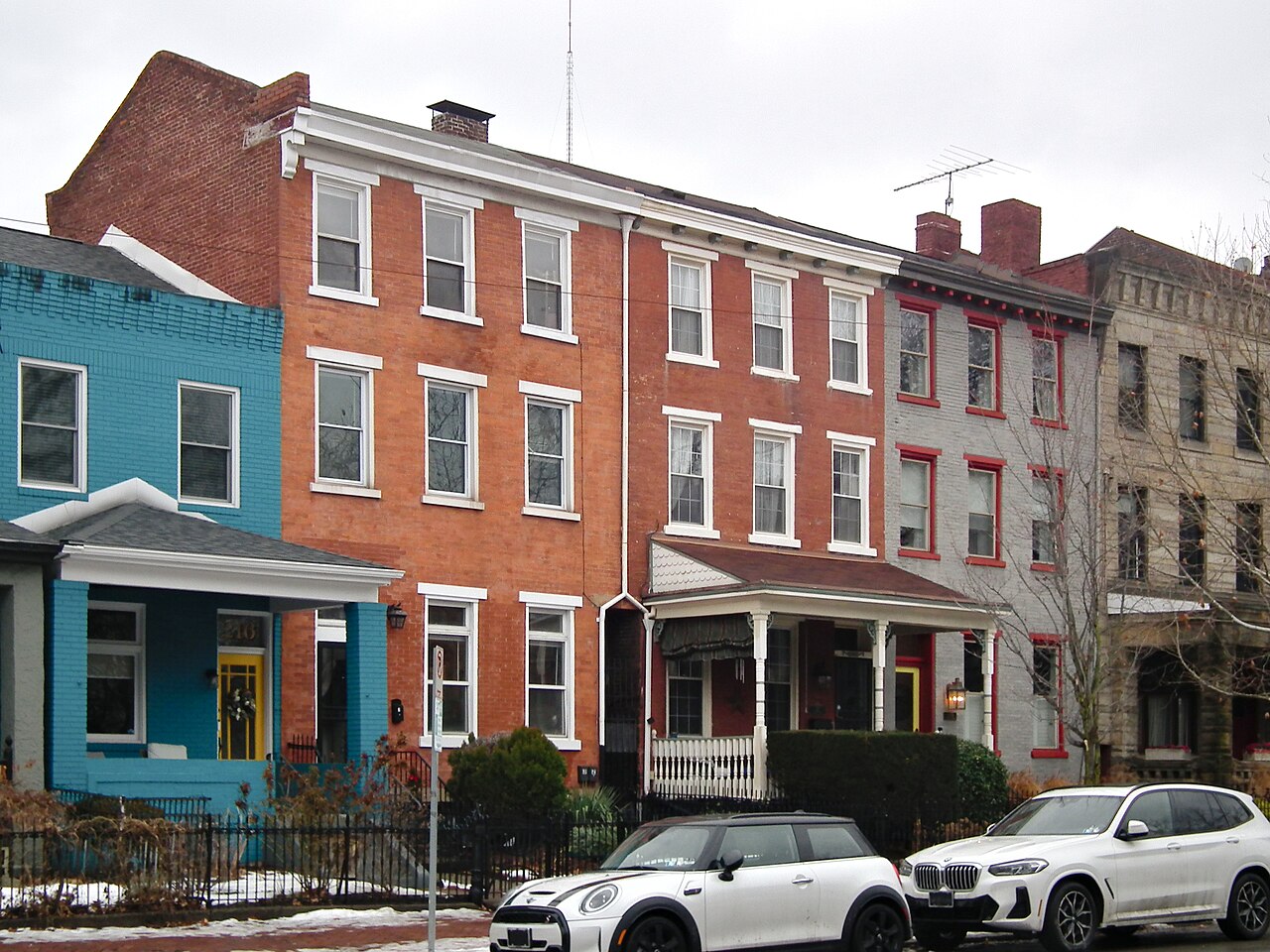
If you’re buying, selling, or already living in one of Pittsburgh’s older, architecturally distinct neighborhoods, there’s a good chance your house sits inside a local historic district — and that comes with rules most people never hear about until they’re mid-renovation. Replacing windows or a roof in one of these districts isn’t just a call to a contractor. It can require a formal approval process first. Here’s what that actually means in practice.
Local Historic Designation Is Different From Being “Historic”
Plenty of Pittsburgh houses are old and full of character without carrying any legal weight beyond that. What actually matters here is whether a property sits in a City of Pittsburgh Historic District — a formal designation with real regulatory authority — as opposed to simply being listed on the National Register of Historic Places, which is largely honorary for a private homeowner and doesn’t require city approval for exterior changes. The local designation is the one with teeth, and it’s the one that surprises people.
Which Pittsburgh Neighborhoods This Affects
The city currently has around a dozen designated Historic Districts, including:
- Allegheny West
- Alpha Terrace
- Deutschtown
- East Carson Street
- Manchester
- Market Square
- Mexican War Streets
- Murray Hill Avenue
- Oakland Civic Center
- Oakland Square
- Penn-Liberty District
- Schenley Farms
There are also 86 individually designated historic structures scattered outside these districts, plus separate historic preservation ordinances in a few surrounding boroughs like Sewickley and Homestead. If you’re not sure whether a specific address is covered, it’s worth checking before you buy, not after you’ve already scheduled the roofers.
What Actually Requires Approval
Inside a designated district, exterior work generally needs a Certificate of Appropriateness before it happens, not after. That includes things a lot of homeowners assume are routine maintenance:
- Window and roof replacement
- Repairing or replacing exterior siding, brick, or other façade materials
- Additions or new construction on the lot
- Demolition, even partial
- Fences and other accessory structures
Interior renovations generally aren’t subject to this review — it’s specifically about anything visible from the street.
How the Approval Process Actually Works
Not every project goes in front of a public commission. Straightforward exterior work using materials that already match the district’s design guidelines can often be approved administratively by city preservation staff, without a hearing. Bigger projects — additions, new construction, demolition — go to the Historic Review Commission itself, which meets on the first Wednesday of each month. Applications go through the city’s OneStopPGH portal, and for larger projects, an early briefing with HRC staff before you submit formal drawings can save you a redesign later.
Build in real lead time. A staff-level approval might move quickly, but anything requiring a commission vote is tied to that monthly meeting schedule, and a project needing revisions can easily add another full cycle.
What Happens If You Skip It
Doing exterior work without an approved Certificate of Appropriateness is treated as a building code violation, and it can be cited by the city’s Department of Permits, Licenses, and Inspections just like any other code issue. Beyond the citation itself, unpermitted exterior work in a historic district has a way of resurfacing later — during a future sale, a refinance, or simply a neighbor’s complaint — at a much less convenient time than when the work was actually done.
What This Means If You’re Buying
Ask specifically whether any exterior work has been done on the property, and if so, whether it went through the historic review process. A seller who replaced the windows five years ago without a COA has handed you a problem that’s now yours, and it’s much easier to negotiate around before closing than to untangle afterward.
What This Means If You’re Selling
If you’ve done exterior work over the years, pull together whatever approval paperwork you have before you list. It reassures buyers, avoids awkward questions during inspection, and prevents the whole topic from becoming a last-minute negotiating point.
Frequently Asked Questions
Does this apply to interior renovations? No, the review process is specifically about exterior work visible from the street. A kitchen remodel that doesn’t touch the outside of the house isn’t subject to it.
How do I find out if a specific house is in a historic district? The city’s Department of City Planning maintains the official list and boundaries, and your REALTOR® can help you check a specific address before you make an offer.
Can I still put vinyl windows in a historic district? Often no, or only under specific conditions — most districts have design guidelines favoring materials that match the original architecture. It’s worth checking before you order anything.
Is it expensive to get a Certificate of Appropriateness? There’s an application fee, and costs can add up for larger projects requiring drawings or a full commission review, but for routine work handled at the staff level, it’s a relatively minor part of an overall renovation budget.
Does historic district status affect my property taxes? Not directly — designation is about design review, not assessment. Your taxes are driven by the county’s separate assessment process, not by historic status itself.
None of this is a reason to avoid these neighborhoods — they’re some of the most character-filled parts of Pittsburgh for a reason, and most homeowners work through the process without much drama once they know it exists. It’s just something worth understanding upfront rather than discovering halfway through a roofing project. If you’re looking at a home in one of these districts, or thinking about what a renovation would actually require, I’m happy to help you sort through it before you commit to anything.
Leave a Reply