
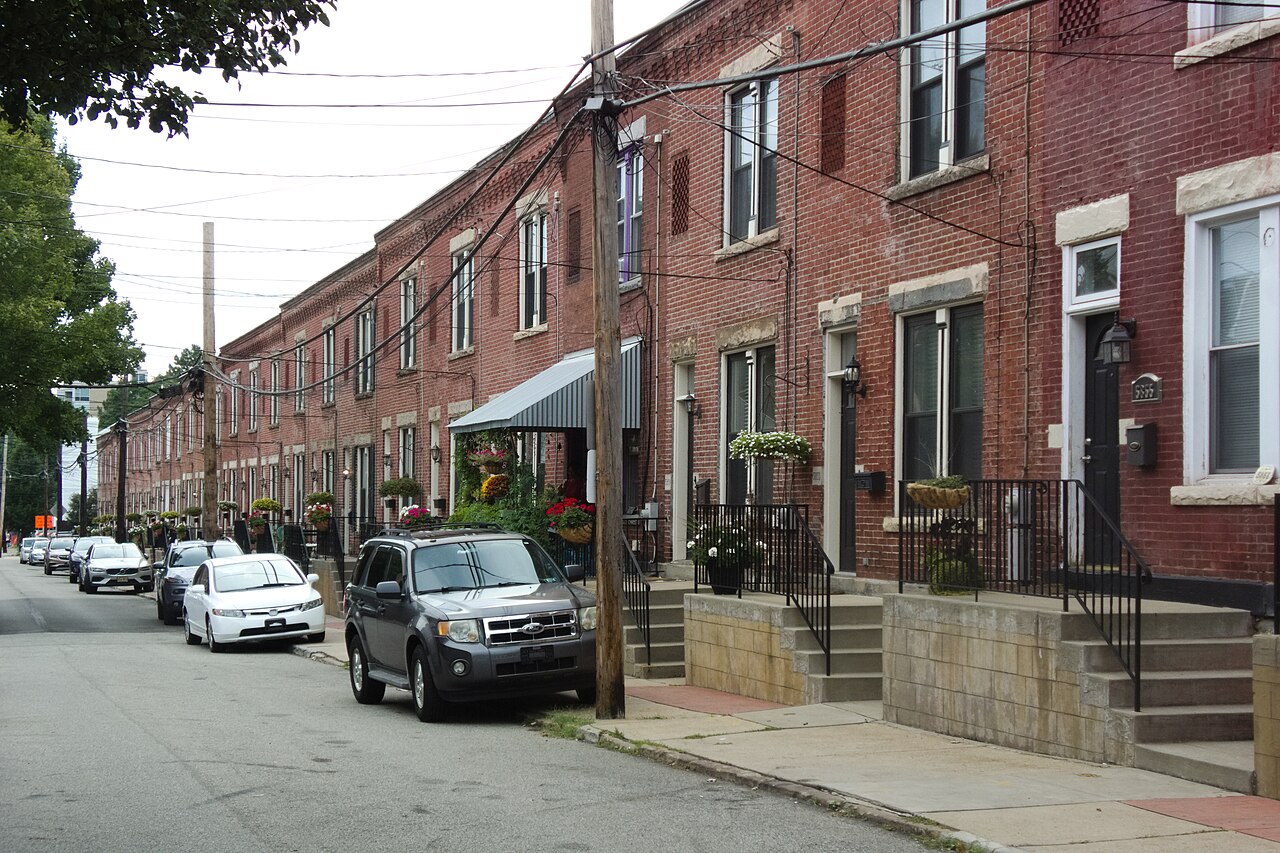
You found the house. Good bones, a great block, a price that finally fits your budget. There’s just one catch. The kitchen is stuck in 1978, and the roof has maybe two winters left in it. The sellers won’t drop the price enough to cover the difference.
Pittsburgh is full of exactly this kind of house. Renovation loans in Pittsburgh exist for exactly this kind of problem, and most buyers have never been walked through how they actually work.
Why Renovation Loans Matter So Much Here
Pittsburgh’s housing stock is old. Much of it was built before 1950, long before open floor plans, central air, or modern electrical panels were standard. That charm comes with a price. A lot of homes need real work before they’re move-in ready, and most buyers don’t have $40,000 in cash sitting around for a new roof and a new kitchen.
- Knob-and-tube wiring or undersized electrical panels
- Aging or failing roofs
- Outdated kitchens and bathrooms
- No central air
- Hillside drainage or foundation issues
- Clay sewer laterals that need replacing
That’s where renovation loans in Pittsburgh come in. Instead of financing the purchase price alone, these loans wrap the cost of repairs into one mortgage, based on what the home will be worth once the work is done.
The FHA 203(k) Loan: Two Versions, Two Very Different Projects
The FHA 203(k) is the best-known renovation loan, and it comes in two versions.
- Limited 203(k): Covers up to $35,000 in non-structural repairs, including new kitchens, baths, flooring, HVAC, and roofing. No HUD consultant is required, which keeps the process faster.
- Standard 203(k): Built for bigger projects, including structural work, room additions, or major system overhauls. Loan amounts follow the regular FHA county limit, and a HUD-approved consultant oversees the project.
Both versions require just 3.5% down, the same as a standard FHA loan. The trade-off is mortgage insurance: an upfront premium of 1.75% of the loan amount, plus an annual premium that typically runs between 0.15% and 0.75%, for the life of the loan unless you refinance later.
Credit score minimums technically start at 580. In practice, most lenders offering 203(k) loans want to see 620 or higher before they’ll approve one.
You can read the program details straight from HUD’s 203(k) overview.
The Conventional Alternative: Fannie Mae HomeStyle
If FHA’s lifetime mortgage insurance gives you pause, Fannie Mae’s HomeStyle Renovation loan is the conventional option. It finances up to 75% of the home’s as-completed appraised value, and it allows a wider range of improvements than FHA’s limited version, including landscaping and upgrades that go beyond basic repairs.
Two-unit properties aren’t eligible for HomeStyle, and that matters in a city with as much duplex and triplex housing as Pittsburgh. If you’re planning to live in one unit and rent out the other while renovating, FHA’s 203(k) is usually the better fit.
Pennsylvania’s Own Renovation Programs Through PHFA
Pennsylvania runs several renovation options of its own through PHFA, the state’s housing finance agency, and they’re worth comparing before you default to FHA.
- Purchase Improvement: Adds $1,000 to $15,000 for repairs onto a PHFA Keystone Home Loan.
- Keystone Flex with K-FIT or K-DATE: Bundles up to $30,000 in repairs with down payment and closing cost assistance.
- HomeStyle through PHFA: Finances up to 75% of the as-completed value when paired with an HFA Preferred first mortgage.
- HEELP: A smaller, separate loan of $1,000 to $10,000 for energy-efficiency work like insulation, windows, or HVAC, at a fixed 1% interest rate for 10 years. Household income limits apply.
These programs pair renovation dollars with PHFA’s other first-mortgage benefits. That combination can make them worth a close look before you assume FHA is your only option. Full details live on PHFA’s own program page.
How to Decide Which One Actually Fits Your Project
Renovation loans in Pittsburgh aren’t one-size-fits-all. Matching the loan to the project matters more than picking the first option a lender mentions.
- A cosmetic refresh under $35,000 usually points toward the Limited 203(k) or PHFA’s Purchase Improvement option.
- A gut renovation, an addition, or major structural repair usually means the Standard 203(k).
- Strong credit and at least 5% down often make HomeStyle the cheaper long-term choice, since it skips FHA’s lifetime mortgage insurance.
- Buying a duplex or triplex to live in and rent out usually rules out HomeStyle and points back to FHA.
None of these loans close fast. Expect a longer timeline than a typical purchase, often 60 days or more, because the lender needs contractor bids, an as-completed appraisal, and sometimes a HUD consultant’s sign-off before closing.
This is exactly the kind of question worth raising during pre-approval, not after you’ve already fallen for a house. If you haven’t walked through what Pittsburgh’s older homes tend to need, read our home inspection red flags guide first, so you know roughly what you’re financing before you make an offer.
First-time buyers should also check whether Pennsylvania’s down payment assistance programs can be layered on top of a renovation loan. In some cases, they can.
Frequently Asked Questions
Can I use a renovation loan to buy a fixer-upper that’s currently unlivable?
Usually, yes, as long as the home will meet minimum health and safety standards once the renovation is complete. Lenders ask about utilities, a functioning kitchen, and safe access, but the home doesn’t need to be livable at closing.
Do I get to pick my own contractor?
Yes, in most cases. The lender typically requires a licensed, insured contractor and a detailed bid, but you choose who does the work.
What happens if the renovation costs more than expected?
Most programs require a contingency reserve, often 10% to 15% of the renovation budget, specifically to cover overruns. If costs exceed even that, you’ll need to cover the difference yourself or scale back the project.
Can I combine a renovation loan with down payment assistance?
Sometimes. PHFA’s programs are generally built to stack with its own down payment assistance options. FHA and conventional renovation loans may allow more limited combinations. A lender can confirm what’s possible for your situation.
Is a renovation loan worth the extra paperwork?
If the house you want needs real work and you don’t have cash on the side for it, usually yes. It lets you finance the purchase and the repairs at one mortgage rate, instead of taking on a separate, higher-rate loan later.
If you’ve got your eye on a house that needs some love, or you’re not sure which loan actually fits what you’re picturing, let’s talk it through before you write an offer. No pressure, no sales pitch, just a straight conversation about what’s realistic for your budget and your project.
Leave a Reply